
Outlet repairs in Middlesex County, MA, are a crucial aspect of maintaining a safe and efficient home. Understanding and addressing common outlet issues can prevent potential hazards and costly repairs later on. From loose connections to faulty wiring, we need to stay informed about different types of electrical outlets and how to handle them safely.
In our experience, distinguishing between simple fixes we can try ourselves and more complex issues that require professional help is essential. DIY repairs might seem tempting for minor problems, but certain situations demand the expertise of licensed electricians. By considering these factors, we are better prepared to troubleshoot outlet problems and ensure they function properly.
Let’s explore how regular electrical maintenance can extend the life of our electrical outlets, ensuring long-term reliability and safety in our homes. With valuable insights and practical tips, we can tackle outlet issues with confidence and keep our living spaces secure.
Key Takeaways
- Addressing common outlet issues prevents hazards.
- Some issues require professional electricians.
- Regular maintenance ensures safety and reliability.
Identifying Common Electrical Outlet Issues
Understanding electrical outlet issues can prevent future problems and keep our homes safe. Let’s explore how normal usage can lead to wear, spot signs of faulty wiring, and recognize when circuits may be overloaded.
Wear and Tear Over Time
Electrical outlets deteriorate over time due to regular use. We often see this in loose connections or discolored outlets. If plugging in devices is difficult or loose, the outlet may not provide a stable connection, which could lead to overheating.
Another sign of aging outlets is cracked or damaged faceplates. This can expose internal parts, increasing the risk of electrical shock. It’s important to regularly inspect outlets for any visible damages and have them repaired promptly to maintain safety.
Faulty Wiring Indicators
Faulty wiring can pose serious risks, including electrical fires. Some signs of faulty wiring include flickering lights or burning smells near outlets. If we notice these signs, it’s crucial to act quickly.
Buzzing sounds or sparks when using an outlet also indicate wiring problems. These issues need immediate attention from a qualified electrician to prevent potential hazards. Regular inspections can help identify such problems early and keep our electrical systems safe.
Overloaded Circuit Warning Signs
Overloading a circuit is a common cause of outlet issues. We can often identify an overloaded circuit by frequent breaker trips or fuse blows. This usually happens when too many devices are plugged into one outlet or power strip.
Heat is another sign of overloading. If an outlet feels warm to the touch, it may indicate too much demand on the circuit. Reducing the number of devices used on one circuit can help fix this problem. Regularly checking for these signs can prevent damage to our electrical systems.
Safety Precautions for Outlet Repairs in Middlesex County
When working on electrical outlet repairs in Middlesex County, it is crucial to ensure safety by following certain steps. Taking the right precautions can prevent accidents, such as electrical fires or shocks.
Turning Off Power
Before starting any outlet repairs, we must always turn off the power.
Locate the circuit breaker connected to the outlet we are working on. Once found, switch it to the “off” position. This simple step reduces the risk of electrical shocks and fires.
We should also verify that the power is off by testing the outlet with a non-contact voltage tester. This tool detects electrical current without needing direct contact, providing an extra layer of safety.
Testing for Active Current
Testing for active current is a vital step.
We use a voltage tester to confirm that no electricity is flowing through the outlet before we begin any repairs. This tool is easy to operate. Insert the probes into the outlet slots.
Readings will show if there’s any active current. If there is power, stop immediately and check the circuit breaker again. This prevents potential shock hazards, protecting both us and our surroundings during the repair.
Using the Right Tools
To safely repair outlets, we need the right tools.
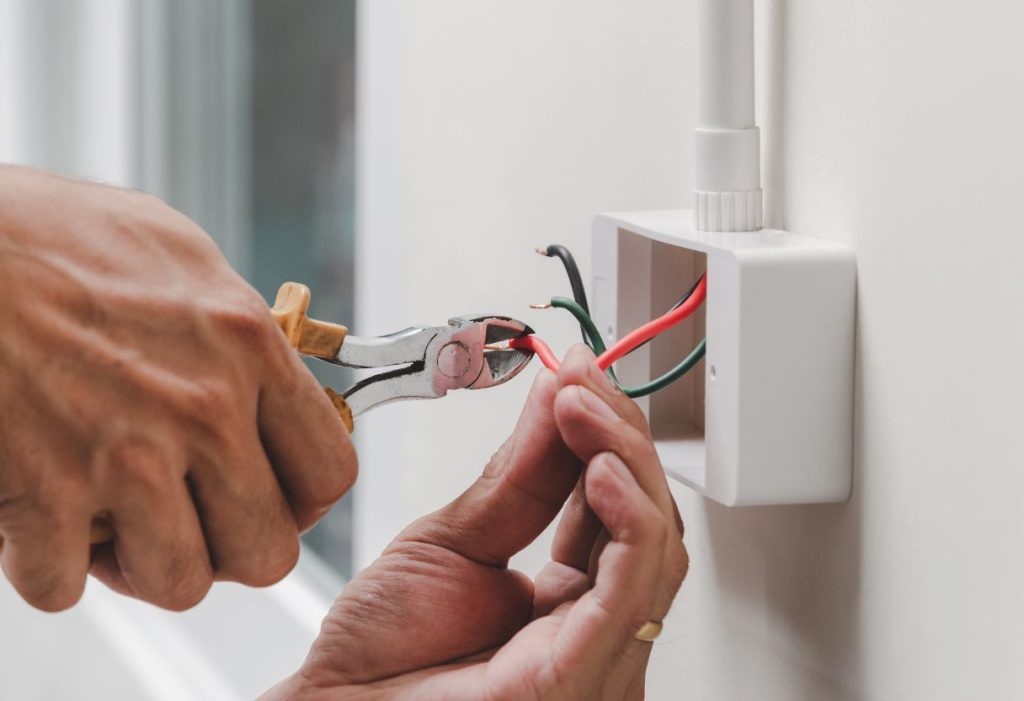
Basic tools include screwdrivers, wire cutters, and electrical tape. Insulated tools are preferable because they reduce the risk of electrical shock.
Keep our tools organized and within easy reach to avoid unnecessary movement while working. This minimizes distractions and allows us to focus fully on the task.
Each tool serves a specific purpose, contributing to both the efficiency and safety of the repair process.
DIY Outlet Repair vs. Professional Services
When deciding between DIY outlet repair and hiring a electrical professional, several factors come into play. We need to weigh the potential risks and benefits of each option to determine the best approach for any electrical repair needs.
When to Attempt DIY Repairs
Attempting DIY outlet repair can be a viable option when the task is straightforward and we possess basic electrical skills. Simple repairs like replacing a cover plate or fixing a loose screw are often easy to manage.
Using safety precautions is essential, so always turn off the power at the breaker before starting any work. If we are confident in our ability, and the problem is minor, DIY can be a cost-effective approach.
On the other hand, more complex issues may pose safety risks. Inadequate repairs can lead to electrical hazards, such as shocks or fires. If we feel uncertain about our skills or the complexity of the task, it may be wise to seek professional assistance.
Benefits of Hiring a Professional Electrician
Professional electricians have the experience and training to handle various electrical repairs efficiently. Hiring an expert ensures that all work complies with local codes and safety standards. This is particularly important in avoiding future issues or safety hazards.
Time and Safety: Another benefit is time savings. Professional electricians can quickly diagnose and fix problems, allowing us to focus on other tasks. Moreover, using licensed professionals reduces the risk of electrical accidents in our homes.
Warranty and Guarantees: Many professional services offer warranties or guarantees for their work. This means that if anything goes wrong after the repair, we can rely on their support to fix the issue without additional costs.
Assessing the Complexity of Repairs
Before deciding on a DIY approach or hiring a professional, assessing the complexity of the repair is crucial. Simple tasks like outlet replacement might be within our skill set. Yet, problems involving wiring behind walls or dealing with outdated systems might signal the need for professional help.
If the issue involves frequent outages, sparks, or a burning smell, this clearly indicates a more serious problem requiring professional expertise. We should ensure our evaluations are not taken lightly, as improper judgments can have serious consequences. Always prioritize safety and consider professional advice if the repair seems beyond our experience.
Troubleshooting Outlet Problems
We often encounter several common issues with electrical outlets. Understanding how to fix problems like tripped GFCIs, circuit breakers, and outdated or damaged outlets ensures safety and efficiency in any home or business. Let’s explore these challenges and their solutions.
Resetting Ground Fault Circuit Interrupters
Ground Fault Circuit Interrupters (GFCIs) are crucial for preventing electrical shock. When a GFCI trips, it’s usually because of a ground fault, current overload, or short circuit. To reset, first ensure that the outlet and any attached devices are dry and intact.
Press the “RESET” button firmly; if it doesn’t stay in, it might indicate a persistent fault. We check connected appliances and wiring for damage. If continuous trips occur, it may require replacement or professional inspection. Regular testing of GFCI outlets enhances their reliability and keeps potential hazards at bay.
Addressing Tripped Circuit Breakers
Circuit breakers protect our wiring from overheating by interrupting electrical flow when overloaded. If a breaker trips, identify the overloaded circuit by checking which appliances or devices are drawing excessive power. Start by turning off all connected devices and unplugging them.
Switch the circuit breaker completely off before flipping it back on. If repeated trips happen, we must evaluate the load on that circuit and distribute the electrical load more evenly across other outlets. Persistent issues call for professional electrical assessment to prevent potential safety hazards and ensure circuit stability.
Replacing Old or Damaged Outlets
Outdated or damaged outlets often manifest as loose plugs, sparking, or physical damage like cracks. Over time, older outlets might not meet current safety standards, especially those without proper grounding or with only two prongs.
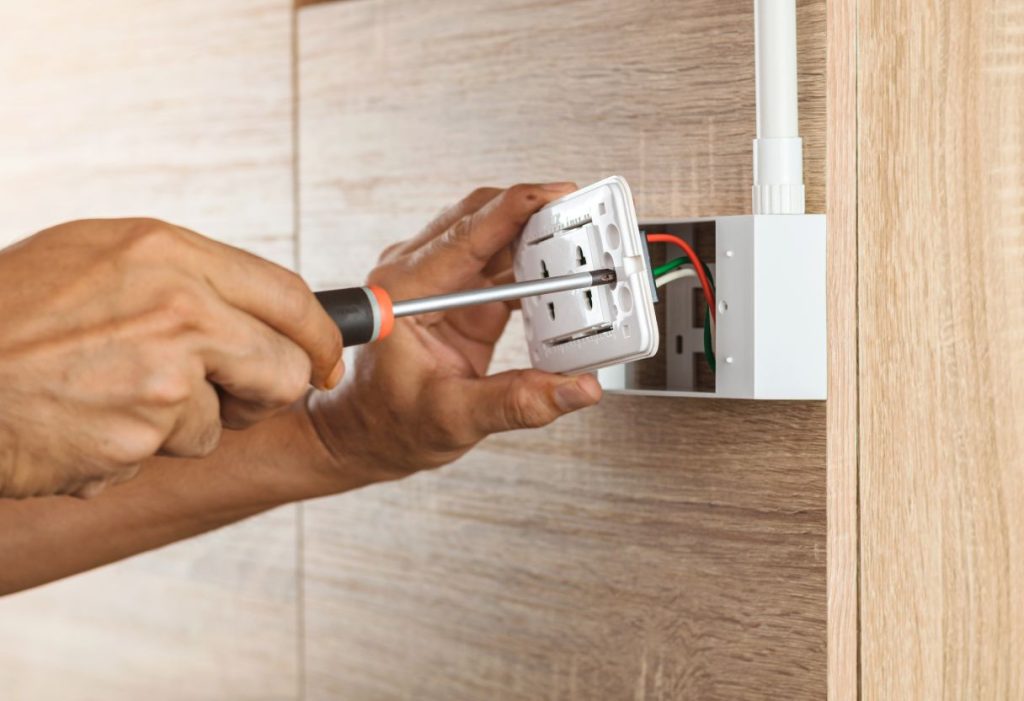
To replace an outlet, ensure the power is off at the circuit breaker. We safely remove the outlet cover, detach wiring, and install a new outlet compliant with current codes. If unsure, it’s best to call a professional to handle it. Updating to modern outlets can improve energy efficiency and add safety features.
Preventive Maintenance for Long-Term Reliability
Preventive maintenance is key to ensuring electrical systems in Middlesex County, MA, operate safely and efficiently. By focusing on regular inspection checklists and upgrading outdated electrical components, we can greatly enhance the reliability of our electrical outlets and systems.
Regular Inspection Checklists
Regular inspections are vital for maintaining electrical safety and performance. A well-structured checklist can help us identify issues early, preventing costly repairs later. Key points on a checklist might include:
- Visual inspection of outlets and wiring for wear and tear.
- Testing outlet performance to ensure correct voltage and function.
- Checking for signs of overheating or unusual smells, which can indicate wiring problems.
Regular checks increase safety and efficiency by catching small issues before they grow. It’s important to record all inspections and any maintenance actions taken. Consistent documentation also helps track the condition of our systems over time.
Upgrading Outdated Electrical Components
Outdated components can pose risks, from inefficiency to serious hazards like electrical fires. System upgrades improve reliability and safety. Key upgrades include:
- Replacing old wiring that may not meet current safety standards.
- Upgrading outlets to include modern safety features, like GFCIs, which prevent electric shocks.
- Ensuring the electrical panel can handle current and future electrical loads.
Updating systems can reduce energy costs and improve the safety of our homes. By proactively replacing worn or outdated components, we not only maintain compliance with local standards but also enhance the long-term reliability of our electrical systems.
Frequently Asked Questions
When dealing with electrical outlets in Middlesex County, several questions often come up, such as costs, choosing the right service, and necessary safety measures. Let’s address these to help you with your outlet repair concerns.
What is the average cost for repairing an electrical outlet in Middlesex County, MA?
The cost of repairing an electrical outlet can vary based on factors like the type of outlet and the complexity of the repair. Typically, you might expect to pay between $100 to $200 for a repair by a professional electrician.
Which professional service should be contacted for non-functional outlets?
For non-functional outlets, it’s best to contact local electrical services such as E/R Electric or Integrity Electrical Services. These companies are well-rated and provide reliable repair services within Middlesex County.
Is it necessary to hire an electrician for outlet replacement tasks?
While replacing an outlet may seem straightforward, hiring a licensed electrician is recommended. This ensures the task is done safely and adheres to local electrical codes, minimizing any risks of electrical hazards.
What is the recommended frequency for replacing electrical outlets in a residence?
Outlets should be inspected regularly and replaced if they show signs of wear or malfunction. Generally, outlets might not need to be replaced often unless they become damaged. It’s a good idea to check periodically, especially in older homes.
How can I determine if my electrical outlet issues are due to wiring problems?
If outlets are not working or there are frequent tripping issues, the problem might be with the wiring. Signs include burnt marks on the outlet or a burning smell. In such cases, consulting an electrician can help pinpoint and resolve wiring issues.
What safety precautions should be taken before attempting to repair a home outlet?
Safety should always come first. Before attempting any repair, make sure to turn off the power to the outlet at the circuit breaker. Use a voltage tester to confirm there is no electrical flow. If unsure, it’s always safer to call a professional.